Graphic Design: The Art of Visual Communication in the Digital Age
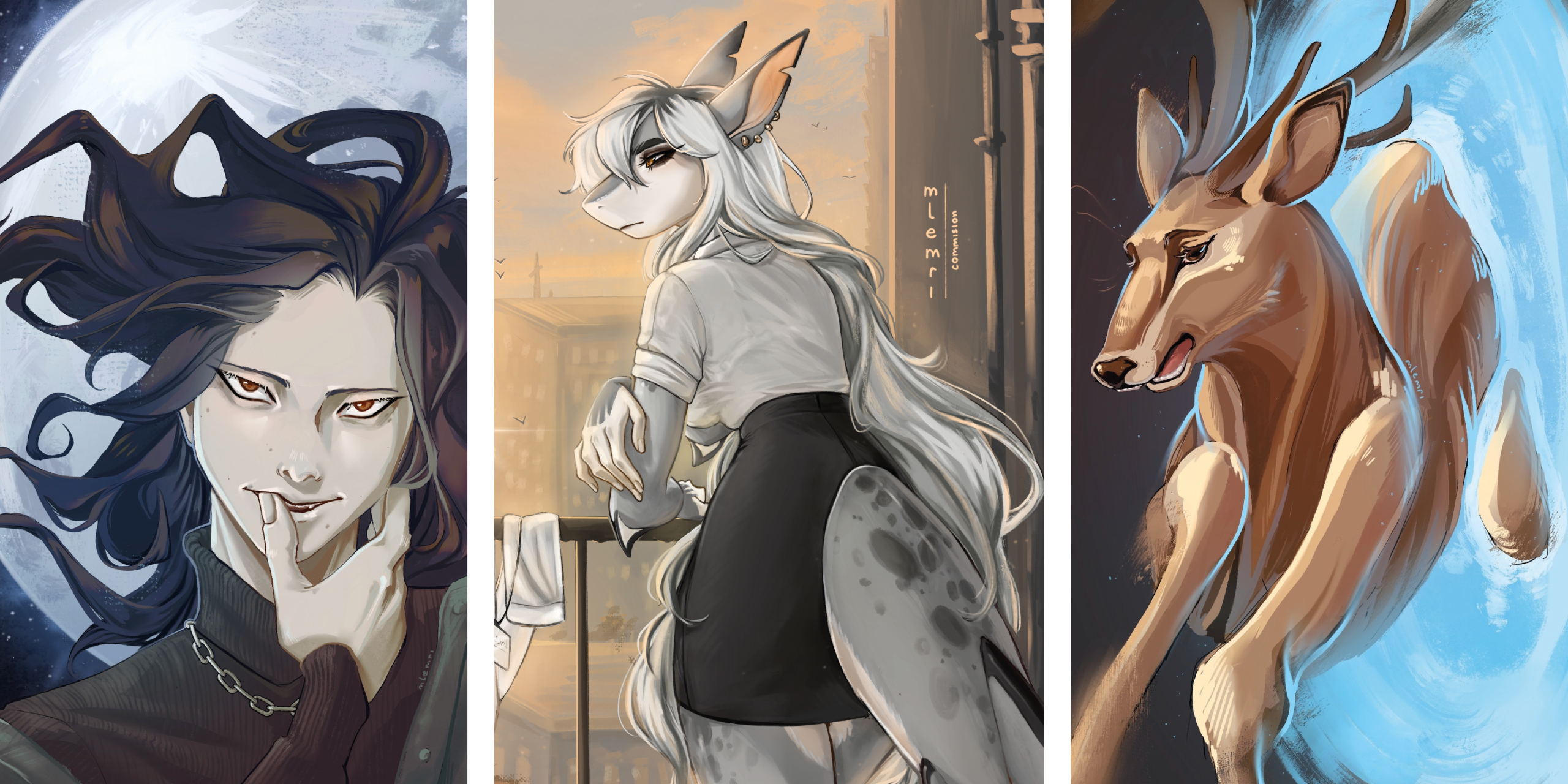
Graphic design is a combination of art, technology, and marketing aimed at creating visual content that conveys ideas and emotions. Modern graphic design is closely linked to computers and digital tools, enabling the development of brand identities, advertising materials, and interfaces for websites and mobile applications.
A graphic (or computer) designer is a specialist who uses visual elements to communicate information and build branding. Their work involves creating logos, corporate identities, advertising layouts, packaging, web design, and much more.
The Role of a Graphic Designer in the Modern World
A graphic designer is not just an artist who creates beautiful images but a professional who solves specific business problems. The main areas of their work include:
- Brand Identity and Branding: Developing logos, brand colors, typography, and graphic elements that form a cohesive company image.
- Advertising Graphics: Creating layouts for banners, posters, outdoor advertisements, flyers, and other promotional materials.
- Web Design: Designing interfaces for websites, applications, and digital services.
- Editorial Design: Formatting books, magazines, brochures, and presentations.
- Packaging and Printing: Designing product packaging that attracts consumers’ attention.
A modern designer must possess not only an artistic sense but also knowledge of marketing, perception psychology, and UX/UI design.
Key Tasks of Graphic Design
Graphic design plays a crucial role in building brand identity and shaping a company’s image. Its primary tasks include:
1. Logo Development
A logo is the main symbol of a company that should be unique, memorable, and associated with the brand. A designer creates a logo considering business specifics, target audience, and competitors.
A good logo meets several criteria:
- Simplicity and clarity
- Versatility (suitable for print, web, and merchandise)
- Recognizability and uniqueness
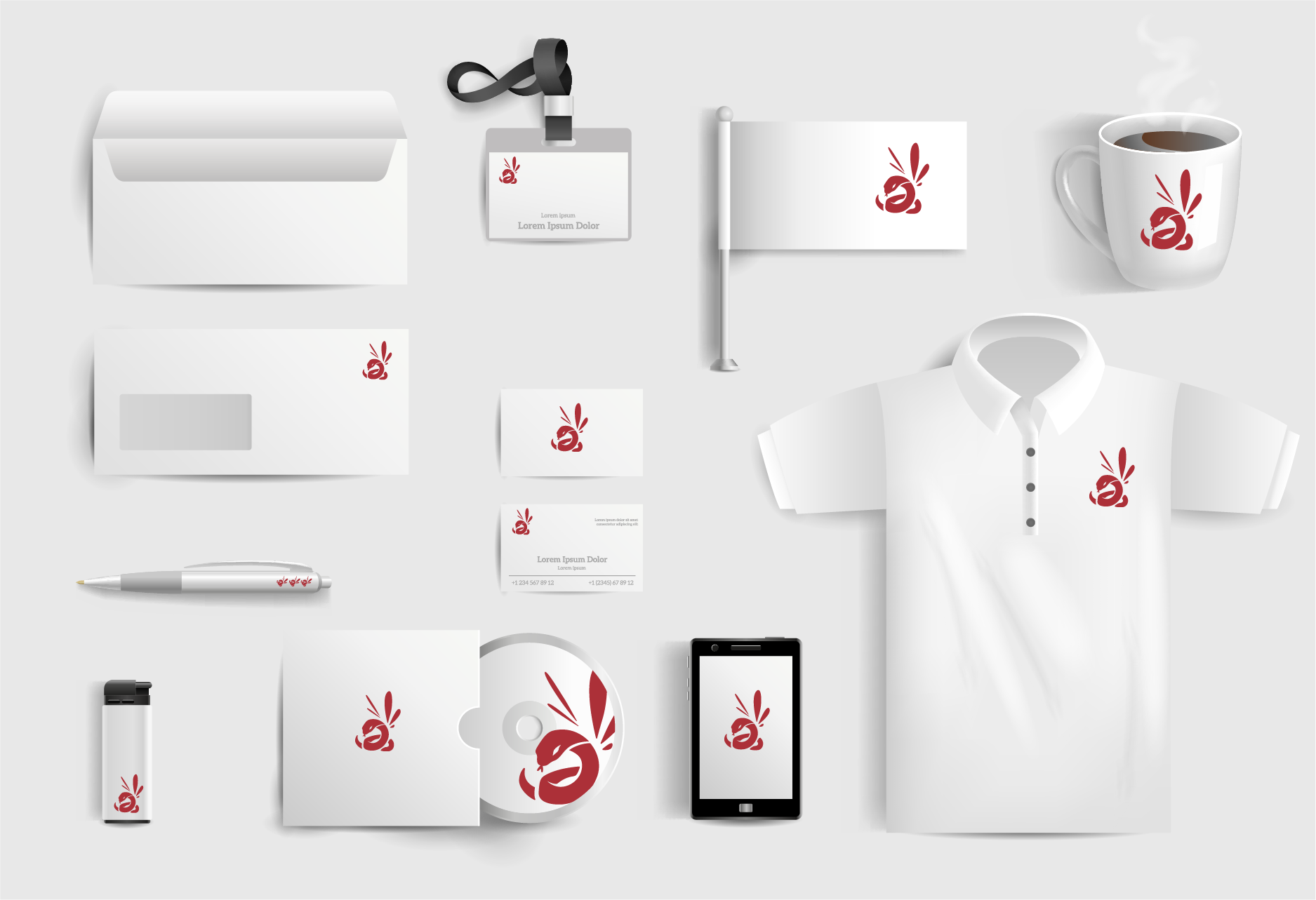
2. Creating a Corporate Identity
Corporate identity is a set of visual elements that make a brand recognizable, including:
- Logo and its variations
- Brand colors – a palette associated with the brand
- Fonts – typography used in all materials
- Graphic elements – icons, illustrations, patterns
- Brand guidelines – instructions on how to use the corporate style
Without a unified corporate identity, a company may appear inconsistent and unprofessional.
3. Development of Advertising Materials
Advertising is a key part of marketing strategy, and graphic design plays a central role in it. Designers create layouts for:
- Digital ads (banners, social media posts, email newsletters)
- Print materials (flyers, brochures, business cards)
- Outdoor advertising (billboards, signs, vehicle wraps)
Effective ad design should capture attention, evoke emotions, and prompt action.
4. Web and UI/UX Design
Web design is one of the most in-demand areas of graphic design. Designers develop website and app interfaces, making them user-friendly and visually appealing.
- UX Design (User Experience): Focuses on usability and user comfort.
- UI Design (User Interface): Focuses on the visual appeal of the interface.
Well-executed web design enhances user experience and increases website conversion rates.
5. Packaging Design
Packaging is often the first thing a customer sees in a store. Effective packaging design should:
- Attract attention
- Stand out from competitors
- Align with the brand’s overall concept
Designers create packaging layouts, select color schemes, materials, and fonts, and develop illustrations and elements that make a product more appealing.
The Graphic Design Process
1. Briefing and Research
The designer communicates with the client, studies the brand, target audience, competitors, and marketing goals.
2. Concept Development
Initial sketches and ideas are created, with attention to color combinations, fonts, and visual elements.
3. Layout Creation
Detailed layouts are developed and prepared for printing or digital use after concept approval.
4. Final Adjustments and Release Preparation
Finalized layouts are adapted to various formats and media with quality checks.
5. Implementation and Monitoring
The approved design is applied to advertising campaigns, brand materials, websites, and packaging.
Why Does a Company Need a Professional Graphic Designer?
High-quality graphic design is more than just attractive visuals; it’s a tool that:
✅ Creates a unique brand image
✅ Increases client trust and loyalty
✅ Differentiates the company from competitors
✅ Boosts conversion rates in ads and on websites
✅ Ensures consistent visual communication
Without professional design, a company risks appearing unprofessional, potentially harming its reputation and sales.
Conclusion
Graphic design is an integral part of modern business. It shapes the brand’s visual identity, attracts customers, and strengthens marketing communications. A graphic designer’s work requires creativity as well as deep understanding of business, marketing, and perception psychology.
Investing in quality design provides a powerful tool for success and growth.