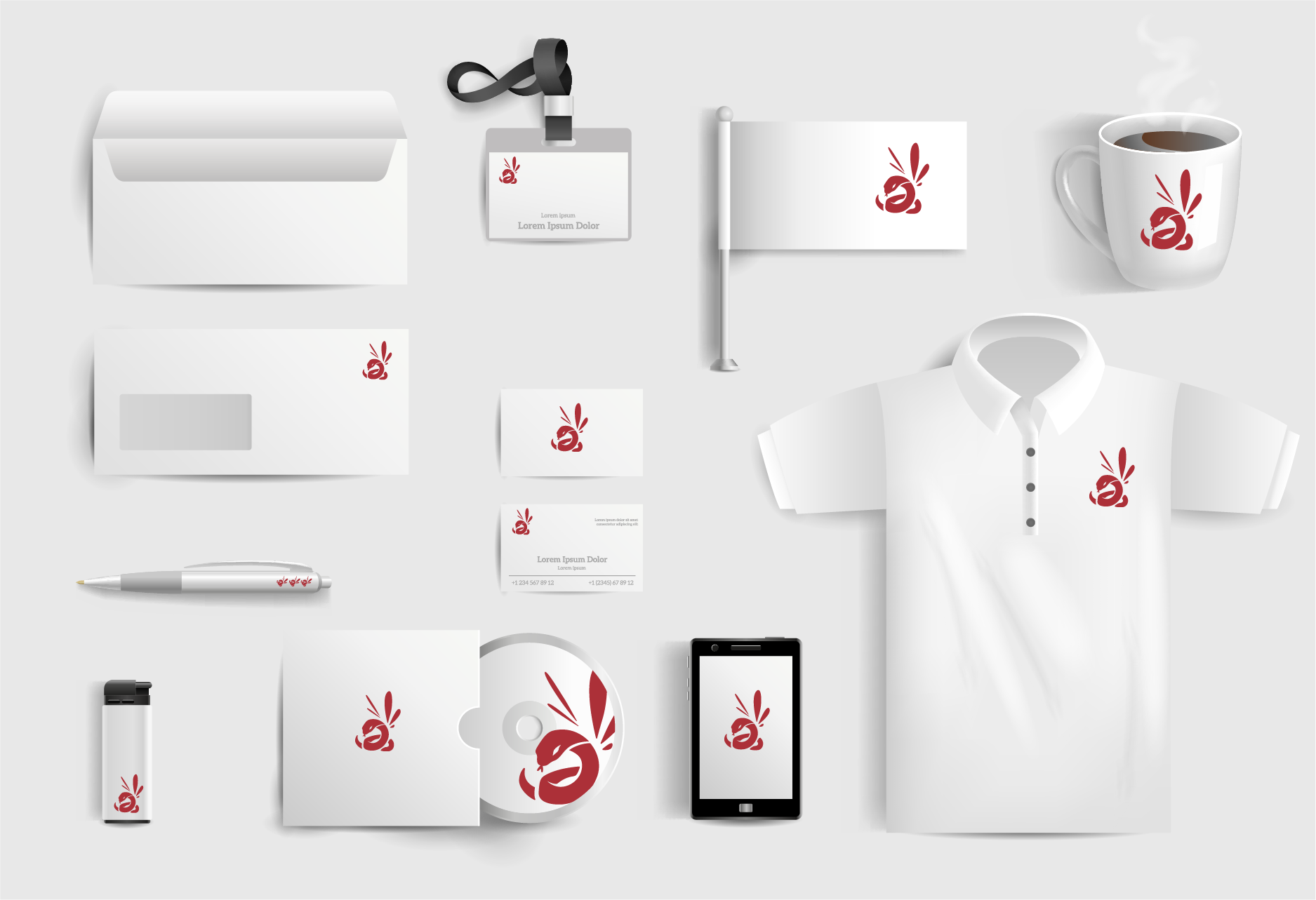
Creating Branded Souvenir Products: Role, Types, and Importance
Souvenir products are a vital element of a marketing strategy, helping a brand strengthen its image, increase recognition, and build long-term relationships with clients and partners. High-quality promotional items require a professional design approach, as their visual presentation directly impacts how effectively they are perceived.
Why Entrust the Design to a Professional Designer?
Souvenir products are more than just items bearing a company logo—they are tools that shape a brand’s positive image. Well-executed design allows you to:
✅ Make the products stylish and aligned with the brand’s identity
✅ Increase trust in the company
✅ Stand out among competitors
✅ Ensure consistency in visual identity
✅ Create an emotional connection with clients
A professional designer considers the brand’s colors, logo, and overall concept while adapting designs to various product types. This prevents visual clutter and ensures a unified style across all promotional materials.
Main Types of Souvenir Products and Their Features
1. Calendars
Calendars are among the most in-demand corporate gifts and come in various formats:
- Wall Calendars: Visible in offices and homes, providing long-term brand exposure
- Desk Calendars: Convenient for employees and partners
- Pocket Calendars: Compact and easy to carry
Designers focus on both aesthetics and functionality to ensure calendars are practical and stylish.
2. Envelopes
Branded envelopes are used for business correspondence and often form a company’s first impression. They can feature corporate colors, logos, contact details, and slogans.
A thoughtfully designed envelope goes beyond mere packaging—it becomes an integral part of the brand’s visual identity, highlighting professionalism.
3. Folders
Corporate folders are essential for storing and presenting documents at meetings, presentations, and exhibitions. Designers create layouts that align with the brand identity, considering folder format, logo placement, and usability.
High-quality folders leave a positive impression on partners and clients, reinforcing the company’s credibility.
4. Pens
Pens with logos are among the most popular types of promotional merchandise. Used daily, they serve as a constant reminder of the company.
The design should be concise, featuring the logo, company name, and possibly a website or phone number. Designers select color and font combinations that are stylish yet unobtrusive.
5. Greeting Cards
Greeting and image-building cards strengthen relationships with clients, partners, and employees. They can be:
- Holiday Cards (e.g., New Year greetings)
- Thematic Cards (e.g., company anniversaries, employee birthdays)
Designers craft original layouts that blend brand elements with creative touches, ensuring cards convey the right mood and align with the company’s image.
6. Notebooks
Branded notebooks are practical accessories used daily by clients and staff. They may have hard or soft covers and various page formats (lined, grid, blank).
Design considerations include cover art, internal pages, and details like corner designs or bookmarks, creating a cohesive and appealing product.
7. Bags
Corporate bags are essential for packaging gifts, documents, and products. Options include paper, plastic, or fabric, depending on company needs.
Effective bag design should be stylish and memorable, encouraging everyday use and providing extra brand exposure when used publicly.
How a Designer Develops Souvenir Product Layouts
1. Brand and Audience Analysis
Designers study the company’s style, values, and target audience to determine the most effective design approach.
2. Format and Material Selection
Each product type has specific requirements. Designers choose optimal sizes, materials, and printing methods to ensure high-quality end products.
3. Concept Development
Initial sketches are created with selected fonts, colors, and graphic elements. The focus is on both visual appeal and functionality.
4. Print-Ready Preparation
Designs are adapted to meet printing specifications, with careful attention to color accuracy, image resolution, and technical parameters.
5. Production Oversight
Quality checks ensure the final product matches the approved designs. Some designers oversee printing to prevent errors in color reproduction or element placement.
Conclusion
Souvenir products are more than just corporate gifts—they are powerful tools for marketing and branding. They help boost client loyalty, create positive impressions, and establish lasting brand associations.
A designer plays a key role in transforming everyday items into stylish and effective promotional tools. Professional design ensures consistency in brand identity, making souvenirs not only functional but also attractive to the audience.